


Pressure Washer Repair Services Near Me Your Guide to Fast Fixes
- Feb 1
- 13 min read
When your pressure washer starts acting up—sputtering, leaking, or just plain quitting—you're faced with a simple question: "Can I fix this myself, or is it time to find professional pressure washer repair services near me?" For contractors and business owners in the San Luis Obispo area, downtime is money lost, so making the right call quickly is everything. This guide will help you confidently tackle the small stuff and know exactly when it’s time to bring in the experts.
Is It Time to Call a Pro for Your Pressure Washer?
A high-performance pressure washer is a workhorse, but it's also a complex machine. When something goes wrong, it can be tough to tell the difference between a simple clog and a serious mechanical failure. The trick is to run through a quick diagnostic checklist before you even think about picking up the phone.
This approach saves you the cost and embarrassment of paying a pro to flip a switch you missed. More importantly, it stops you from accidentally turning a small problem into a big, expensive one by attempting a repair that’s over your head.
Many common issues, like a pulsating spray or no water flow at all, have surprisingly simple causes. Before you jump to the worst-case scenario, a few quick checks can often get you back to work in minutes, no repair shop required.
First-Step Diagnostics You Can Do Yourself
Always start with the basics. It’s amazing how many "broken" machines are just suffering from a simple oversight or a dirty filter. Before you start searching for "pressure washer repair services near me," give these a shot:
Check the Water Source: Is your hose fully connected? Is the spigot turned on all the way? Look for any kinks in the hose—they can choke off the water supply and make it seem like your pump is failing.
Clean Your Filters: Your machine has filters for a reason. Check both the inlet water filter and the filter at the tip of your spray nozzle. If they're clogged with gunk, you’ll get low pressure or a wonky spray pattern.
Inspect the Nozzle: A worn-out or damaged nozzle can kill your machine’s performance. If you have a spare, try swapping it out to see if that fixes the issue.
This flowchart is a great way to visualize the process, walking you from the problem to a clear solution.
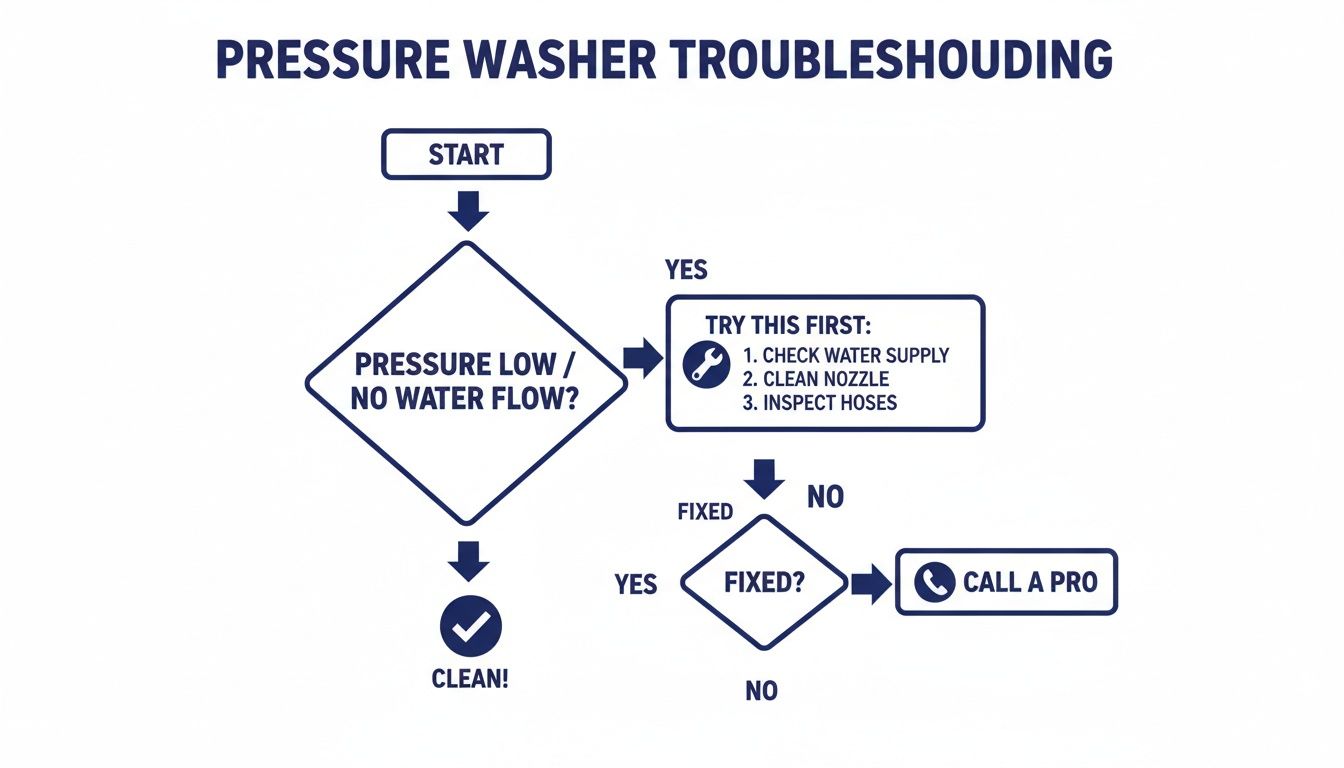
As you can see, if the simple fixes don't solve it, the next logical step is to get a professional involved.
When to Call in a Professional
Okay, so you’ve done the initial checks, and the machine is still giving you grief. Now is the time to call a specialist. Pushing a malfunctioning machine can turn a minor fix into a catastrophic failure.
The wear and tear from demanding jobs, like using proper pressure washing techniques for a vessel, can take a toll, making it even more important to know when to stop and call for help. For a deeper dive into DIY fixes, our guide on troubleshooting pressure washer problems for quick fixes to get you back in action has you covered.
Continuing to run a pressure washer that isn't working right is the fastest way to destroy a key component. If basic troubleshooting fails, the most cost-effective move you can make is to shut it down and get a diagnosis.
Here are the tell-tale signs that you're dealing with something beyond a simple fix:
Persistent low pressure even after cleaning all the filters and nozzles.
Water or oil leaking from the body of the pump itself.
An engine that won’t start after you've confirmed it has fresh fuel and a clean spark plug.
These symptoms usually point to deeper internal problems with things like pump seals, the unloader valve, or the carburetor. These aren't parts you want to start tinkering with unless you have the right tools and experience.
A Quick Diagnostic Guide: DIY Fix or Professional Repair?
Sometimes you just need a quick way to decide what to do next. This table breaks down common symptoms to help you figure out if you should grab your tools or your phone.
Symptom | Potential DIY Fix | When to Call Contractor's Maintenance Service |
|---|---|---|
Engine Won't Start | Check fuel and oil levels. Inspect the spark plug. Make sure the choke is set correctly. | If the engine still won't turn over after basic checks, or if it sputters and dies repeatedly. |
Low or No Pressure | Inspect for a kinked hose. Clean the nozzle tip and inlet filter. Check water supply. | If pressure remains low after all filters and nozzles are confirmed to be clear. |
Pulsating Spray | Check for air in the system by running water through the hose before starting. Clean nozzle. | If pulsating continues, it could be a sign of a failing pump, seals, or unloader valve. |
Water Leaking | Tighten loose hose connections. Check and replace worn O-rings on fittings. | If water is leaking directly from the pump casing—this indicates internal seal failure. |
Oil Leaking | Check for overfilling. Tighten the oil drain plug. | If oil is milky (water contamination) or leaking from pump seals. |
Excessive Noise/Vibration | Make sure the unit is on a level surface. Check for loose bolts or components. | If you hear grinding, knocking, or other unusual internal mechanical noises. |
Remember, this is just a guide. If a problem feels too complex or you're not comfortable making a repair, calling a professional is always the safest and often cheapest option in the long run. There’s no shame in knowing your limits.
Decoding Common Pressure Washer Failures
When your pressure washer starts acting up, it’s tempting to just get frustrated with whatever it’s doing—or not doing. But to actually fix it, you have to get to the root of the problem. Think of it like a truck with a slipping transmission; the real issue isn't just a lack of power, it's the worn-out seals or busted pistons inside that are causing the trouble.
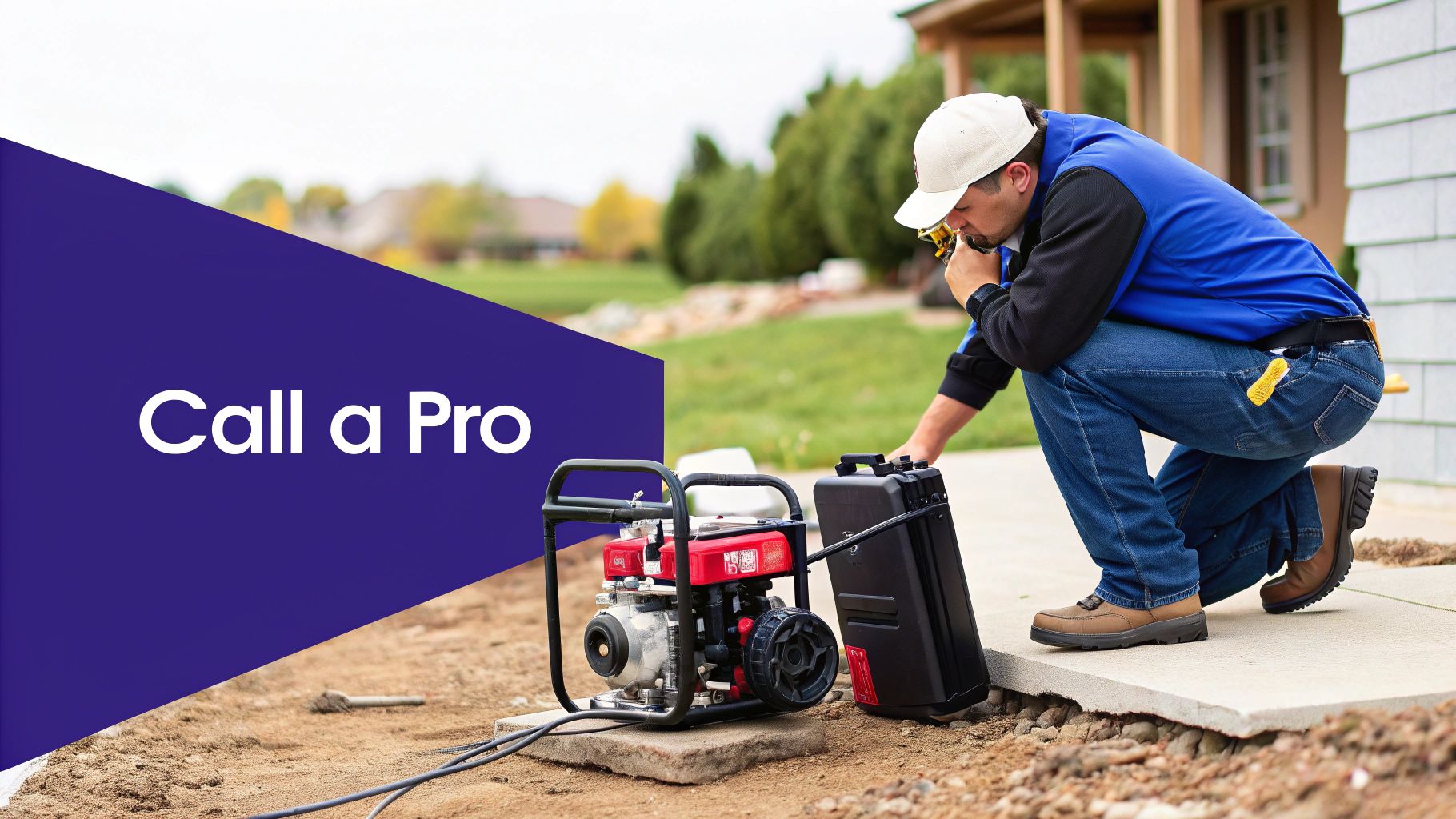
Figuring out what’s really going on under the hood is the first step toward a smart repair. Once you identify the core issue, you'll see why getting a professional diagnosis is so important. It can be the difference between fixing a small hiccup and watching it turn into a catastrophic, equipment-ending failure.
Gas vs. Electric: The Unique Failure Points
Gas and electric pressure washers get the same job done, but they break down in completely different ways. Knowing which type you're working with is the first clue to what’s gone wrong.
A gas-powered unit, like the dependable Honda engines we see all the time, is basically a small engine strapped to a high-pressure pump. Most of its problems start with the fuel system.
Clogged Carburetors: Old gas is the enemy. It leaves behind gummy deposits that block the tiny jets inside the carburetor, starving the engine for fuel.
Fouled Spark Plugs: A dirty, worn-out spark plug can't create the spark needed to get the engine running. Sometimes, this is all that's wrong.
Dirty Fuel Filters: If junk from the fuel tank gets into the filter, it can choke off the fuel supply and make the engine sputter or die completely.
Electric models are simpler, but they have their own set of electrical gremlins to watch out for.
Faulty Capacitors: A capacitor is what gives the motor that initial kick to get started. If all you hear is a humming sound but the motor won't turn over, a bad capacitor is a very likely culprit.
Tripped GFCI Plugs: That little button on your plug is a Ground Fault Circuit Interrupter. It trips for safety, but sometimes the plug itself is what’s faulty, not your machine.
Worn Motor Brushes: These little carbon blocks are responsible for getting electricity to the motor. They wear down over time and, eventually, will cause the motor to stop working.
The Unloader Valve: The Brain of the Operation
Whether your machine runs on gas or electricity, the pump is its heart. And if the pump is the heart, then the unloader valve is the brain. This critical part manages the pressure by sending water back to the pump’s inlet whenever you let go of the trigger.
The unloader valve is a classic point of failure. When it gets stuck or wears out, it can cause a range of baffling symptoms, from severe pressure spikes to a complete loss of pressure, making it one of the most misdiagnosed parts by DIYers.
A bad unloader valve is a perfect example of why searching for "pressure washer repair services near me" is often the smartest move. A pro can spot this issue right away, saving you the headache and expense of replacing the entire pump for no reason.
The global pressure washer market is booming, which means more and more of these machines are being put to work in tough industries. In fact, some stats show that up to 30% of pressure washers in heavy-use sectors need repairs within their first two years. Often, the cause is simple neglect, like running unfiltered water through the pump or letting seals wear out. That’s why having an authorized service center right here in San Luis Obispo—serving Paso Robles, Atascadero, Arroyo Grande, and Pismo Beach—is so crucial for keeping local pros on the job. You can learn more about the growing pressure washer market trends.
The Real Cost of Downtime vs. Smart Maintenance
When a pressure washer goes down, it’s not just an inconvenience—it’s a direct hit to your bottom line. Every minute your equipment sits idle, the clock is ticking on wasted labor costs, project delays, and even potential contract penalties. This is where you can really see the value of having professional pressure washer repair services near me on speed dial.
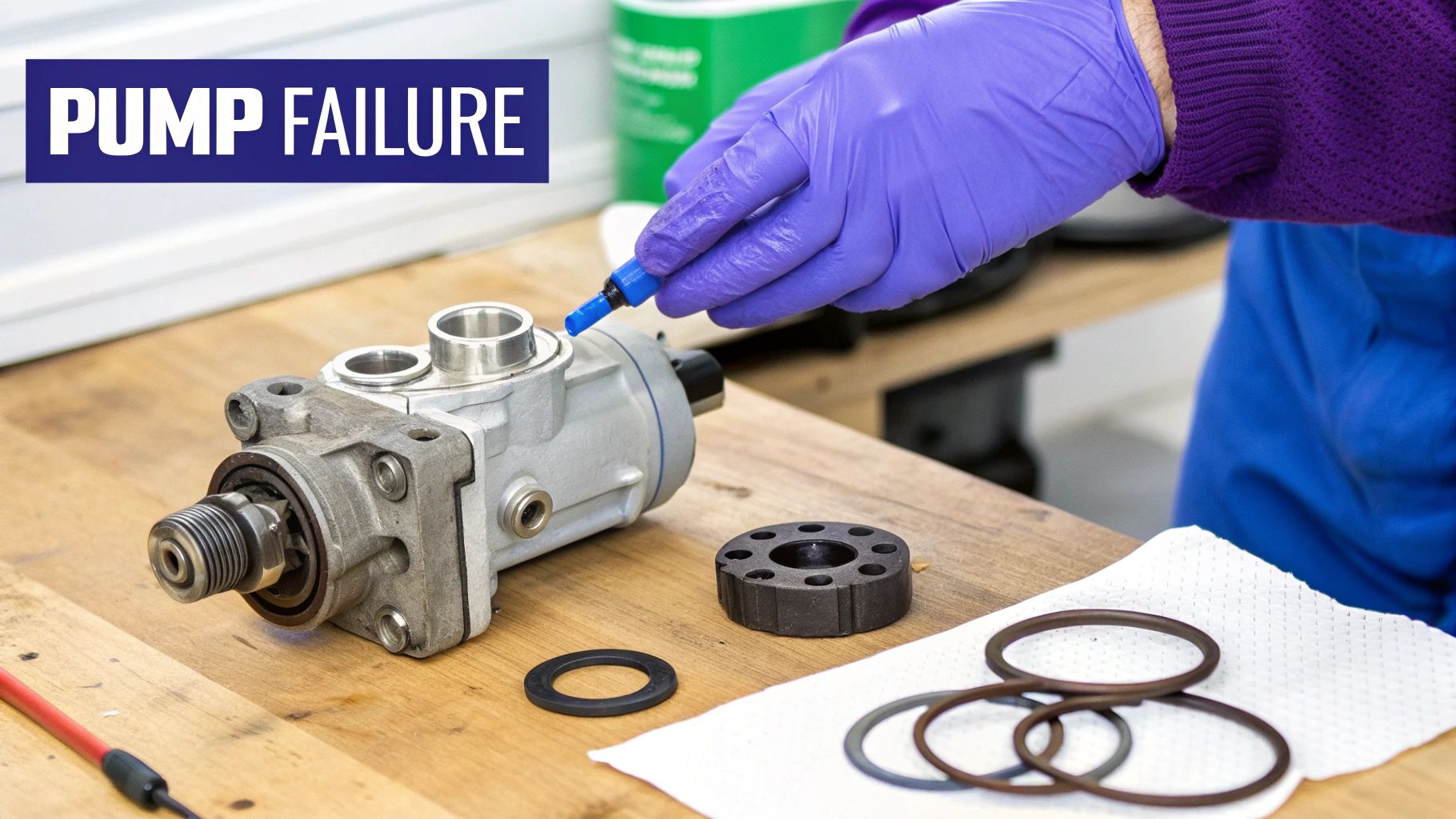
Picture a painting crew in Paso Robles, standing around because they can’t prep a surface. Or a public works project in Arroyo Grande falling behind schedule. Think about a rental yard in San Luis Obispo losing out on daily revenue because a key piece of equipment is out of commission. These aren’t just what-ifs; they're the expensive realities of equipment failure.
Quantifying the Hidden Costs
The repair bill itself is often just the tip of the iceberg. The real damage comes from all the secondary losses that pile up fast.
Wasted Labor: You’re still paying your crew, even when their most important tool is out of action.
Project Penalties: Falling behind schedule can trigger expensive clauses in your contracts.
Reputational Damage: Unreliable service can cost you clients and lead to negative word-of-mouth.
Rental Expenses: You might have to rent a replacement unit just to keep the job going, adding another unplanned expense to the list.
Once you start adding these up, the financial decision becomes much clearer. We break this down even further in our guide on understanding the full cost of pressure washer pump repair.
Smart Maintenance Is an Investment
When you compare these huge potential losses to the cost of scheduled maintenance, it changes the entire conversation. Proactive service isn't just another expense; it’s a strategic investment in uptime and profitability.
For remodeling contractors and public works departments, a single breakdown can easily run $100-500 for the repair. But the resulting project delays can create losses 10 times that amount from idle crews alone. Contractor's Maintenance Service gets you back to work with 24-48 hour turnarounds, a huge improvement over the industry average of 7-10 days. We’ve seen facilities managers who switch to preventive plans cut their overall costs by up to 28%. For more on market trends, check out these insights on the pressure washer market dynamics.
Proactive maintenance is the ultimate defense against unplanned downtime. A small, scheduled service cost today prevents a large, unexpected financial disaster tomorrow.
Choosing a local service provider right here in the San Luis Obispo area—from Atascadero to Nipomo and Morro Bay—means you get the fast turnarounds you need to protect your profitability and keep your projects on track.
Finding the Right Pressure Washer Repair Service in San Luis Obispo
When your pressure washer goes down, the clock starts ticking. Every minute of downtime costs you money, so finding a local expert who can get you back up and running fast is critical. But how do you tell a top-notch repair shop from one that just talks a good game? It all comes down to asking the right questions before you hand over your equipment.
Your search for reliable help in the San Luis Obispo area should go beyond a quick Google search. A truly great service provider doesn't just fix what's broken; they offer a complete solution that minimizes your downtime and protects your investment for the long haul.
Key Questions to Ask Any Repair Shop
Before you trust a shop with your valuable equipment, take a moment to vet them. The answers to these questions will tell you everything you need to know about their expertise, their commitment to speed, and whether they can handle your specific needs.
Are You an Authorized Service Center? This is non-negotiable. Being an authorized center for brands like Graco, Titan, or Honda means the technicians are factory-trained. They use genuine OEM parts, which is the only way to ensure your repairs meet the manufacturer's standards and don't void your warranty.
Do You Handle Warranty Claims In-House? Let's be honest, nobody wants to deal with warranty paperwork. A service center that manages the entire claim process for you is a huge time-saver. It gets your equipment fixed and back in your hands faster, without the administrative headache.
What's Your Average Turnaround Time? In this business, time is money. Ask them straight up what their typical repair timeline looks like. A dedicated local shop should be aiming for days, not weeks.
Do You Stock Parts and Make Hoses On-Site? This is a game-changer. A shop with a deep inventory of common parts and the ability to fabricate custom hydraulic hoses while you wait can turn a week-long delay into a same-day fix.
Anyone can hang a shingle that says "repair shop." What you're looking for is a true equipment partner—someone who is authorized, handles warranties, stocks parts, and moves with a sense of urgency. That’s a shop built to support a professional operation like yours.
Your Local Partner from Paso Robles to Nipomo
For professionals working anywhere from Paso Robles and Atascadero down to Arroyo Grande and Nipomo, having a local specialist makes all the difference. Contractor's Maintenance Service covers all of San Luis Obispo County, delivering the expertise and rapid response that keeps local businesses productive.
We understand what's at stake. To learn more about our approach, check out our article on the benefits of comprehensive maintenance services in San Luis Obispo. When you choose a local, full-service provider, you’re not just getting a one-time repair; you're gaining an ally who is genuinely invested in your success.
Your San Luis Obispo County Repair Specialist
When your gear goes down on a job site, you don’t just need a fix—you need a local partner who gets that every single minute of downtime is costing you money. For any pro searching for "pressure washer repair services near me," Contractor's Maintenance Service is the clear answer here in San Luis Obispo County. We're more than a repair shop; we're your dedicated support system.
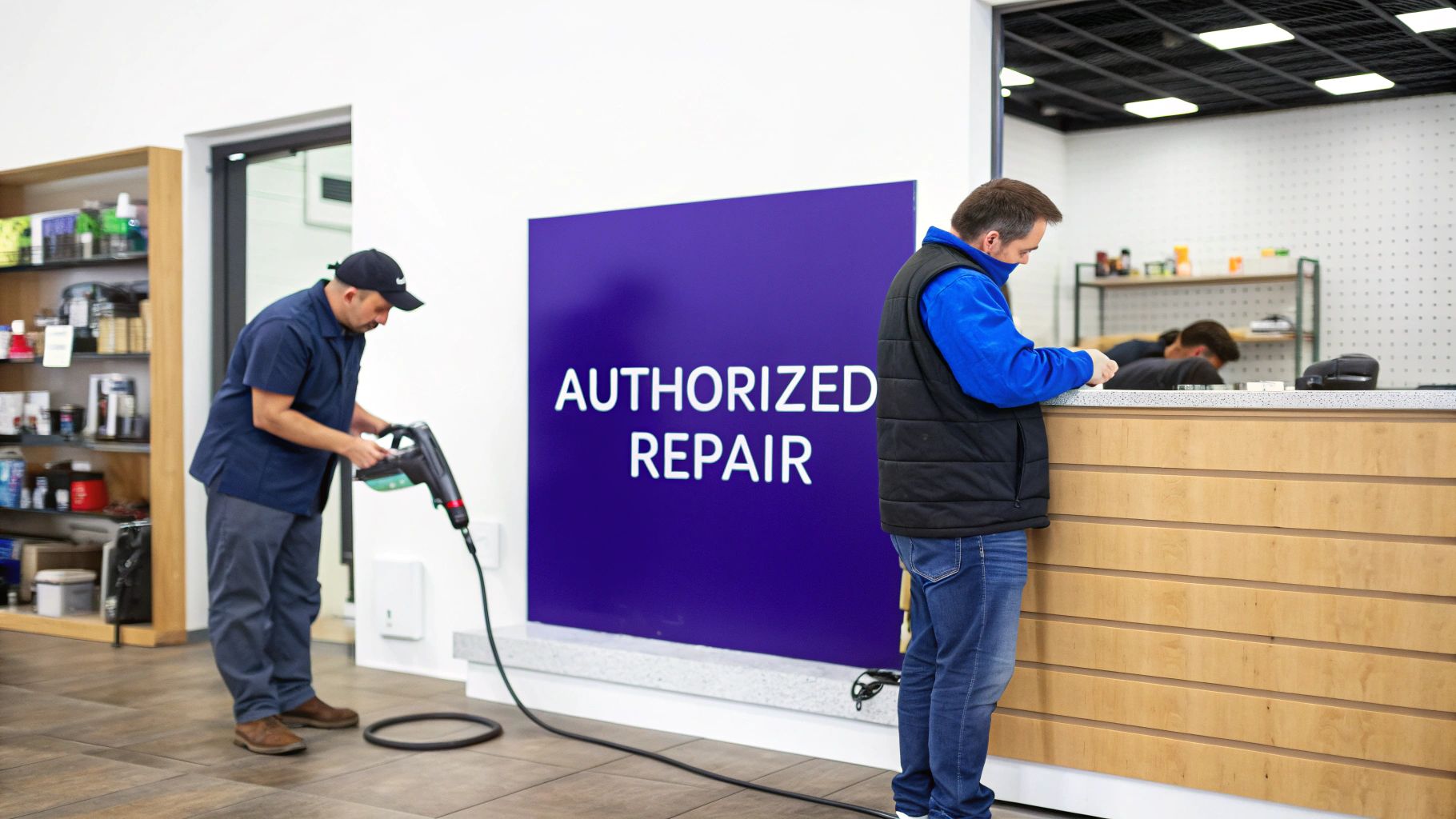
As an authorized service center for the brands you trust—like Graco, Wagner/Titan, Multiquip, and Honda—our skills are factory-certified. That means you get expert diagnostics, precision repairs, and in-house warranty claims managed without the headaches. No paperwork nightmares, no long waits.
Our Service Area: Your Local Advantage
We're proud to serve the hardworking contractors, painters, and public works departments all across the Central Coast. Our promise is simple: fast, reliable service for every corner of our community.
Our main service areas include:
San Luis Obispo
Paso Robles
Atascadero
Templeton
Arroyo Grande
Pismo Beach
Grover Beach
Nipomo
Morro Bay
Having a specialist in your own backyard means faster turnarounds, direct access to real expertise, and a team that’s genuinely invested in the success of local businesses.
More Than Just Repairs: A Full-Service Hub
What really makes Contractor's Maintenance Service different are the unique things we can do right here in SLO. We don’t just fix problems; we deliver complete solutions designed to keep you on the job and earning.
One of our standout services is our ability to fabricate custom hydraulic hoses while you wait. Think about that. Instead of ordering a part and losing days, you can walk in with a blown hose and walk out with a brand-new, perfect replacement. That service alone can turn a multi-day shutdown into a minor blip.
On top of that, our fully stocked local parts counter gives you immediate access to the components you need most often. We keep a deep inventory of genuine parts for Graco, Honda, and other top-tier brands, making sure repairs are done right and done fast.
For a professional, reliable equipment isn't a luxury—it's everything. Our mission is to be the resource that kills downtime by pairing factory-authorized knowledge with the speed and convenience only a true local, full-service provider can offer.
For high-demand users like commercial painters and equipment rental shops, breakdowns are just part of the game. Industry data shows that gas-powered washers often have a 25% higher failure rate, thanks to things like clogged fuel systems and engine wear. While good preventive maintenance can slash repair costs by up to 40%, most wait until the machine is completely dead. As an authorized Graco and Titan center, we're here to jump in with rapid diagnostics to get you back to work. Learn more about pressure washer market trends and insights. When your equipment needs attention, trust your neighborhood expert to deliver the solutions you need, right when you need them.
Got Questions About Pressure Washer Repair?
Even the toughest gear needs a little help now and then. Over the years, we've heard just about every question from contractors, painters, and facilities managers across San Luis Obispo County. Here are some straight-shooting answers to the most common ones we get.
When you're looking up "pressure washer repair services near me," you want clear, no-nonsense information. Let's get right to it.
How Often Should I Service My Pressure Washer?
Think of preventive maintenance as your best defense against a project-killing breakdown. The right schedule really boils down to how hard you run your equipment.
Heavy Daily Use: If your machine is a daily workhorse—think commercial painting crews or public works teams—getting it checked every 3 months is a smart move.
Moderate Weekly Use: For contractors firing up their pressure washer a few times a week, a tune-up every 6 months is usually enough to catch problems before they get expensive.
Light or Occasional Use: If you only break out the equipment now and then, a solid annual service right before your busy season kicks off is the way to go.
Regular service isn't just about changing the oil. It’s about replacing wear-and-tear items like seals and O-rings that, if ignored, can lead to catastrophic pump or engine failure.
Do You Handle Warranty Repairs?
Yes, we absolutely do. As an authorized service center for top brands like Graco, Titan, and Honda, we take the entire warranty claim process off your plate. This is a huge benefit of working with a certified shop.
Instead of getting bogged down in paperwork and waiting on approvals, you just bring the machine to us. We handle everything in-house, making sure genuine OEM parts are used and getting your gear back in your hands faster than you thought possible. It’s one of the biggest perks of choosing a local, authorized expert.
What Is Your Typical Repair Turnaround Time?
We know better than anyone that downtime costs you money. Our entire process is built around getting you back on the job fast.
While many shops might have your machine for a week or more, our typical turnaround for standard repairs is just 24 to 48 hours.
How do we pull that off? We stock a massive inventory of common parts right here in our San Luis Obispo shop. Plus, we have the gear to fabricate custom hydraulic hoses on-site. This completely cuts out the shipping delays that can bring your project to a dead stop. For pros in Paso Robles, Atascadero, Arroyo Grande, and beyond, that local advantage is a true game-changer.
When you need diagnostics you can trust, repairs that are done right the first time, and a partner to keep your equipment running, look no further than Contractor's Maintenance Service. We're the go-to source for parts, service, and support for the Central Coast’s hardest-working professionals.
Stop by our San Luis Obispo shop or visit us online to schedule your service and see how we can help you eliminate downtime for good.


Comments